
Aquarium Season is here: Get your tank ready for Autumn
There’s something about the first proper autumn evenings that brings us back to our aquariums. The garden demands a little less attention, the nights draw in and suddenly that glowing tank in the corner of the room becomes a focal point again.
For many fishkeepers, this is the start of aquarium season. It’s also a very good time to take a proper look at an established tank and make sure everything is working as well as you think it is.

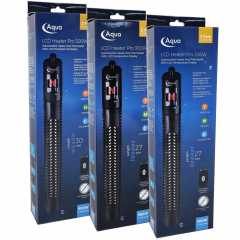
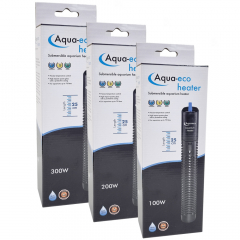
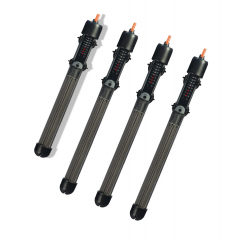
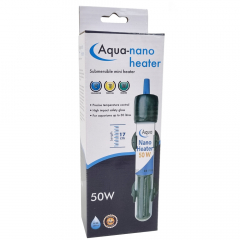
Start with the heater
One of the first things that is worth checking is temperature.
During summer, an aquarium heater may have done very little work because the room itself has kept the tank warm. As ambient temperatures fall, the heater takes over again.
Check the actual water temperature with a separate aquarium thermometer rather than relying solely on the setting on the heater. The correct temperature depends on the species you keep, so there isn’t one figure that suits every tropical aquarium.
Watch the heater over several days and make sure the temperature remains stable. Check the unit for damage, mineral deposits or deterioration and make sure water can circulate freely around it. If an ageing heater is struggling to maintain temperature, autumn is a sensible time to replace it rather than waiting for it to fail on a cold winter night.

Test the water, even when it looks perfect

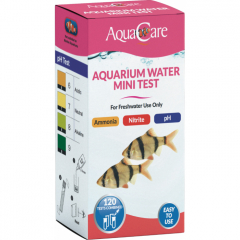
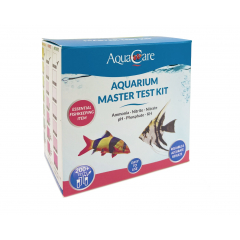
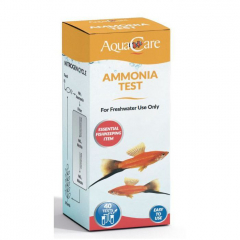
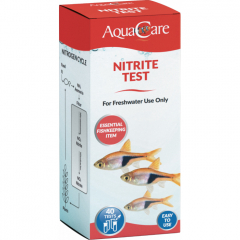
Crystal-clear water can still have a water-quality problem, so take the opportunity to test your aquarium and establish what is actually happening. Ammonia and nitrite should be zero in a mature, functioning aquarium, while nitrate, pH and, where relevant, KH and GH should be monitored according to the requirements of the fish you keep.
If you tend to test the water and then forget the result, now is a good time to get into the habit of keeping a record. The Fishkeeper app makes this particularly useful, allowing you to record and monitor key water parameters and see your results plotted on clear graphs over time. You can also set bespoke ranges for your own aquarium, helping you keep an eye on whether readings are staying where they should be.
Looking at results over several weeks or months tells you far more than an isolated test. A gradual rise in nitrate, a change in pH or another parameter beginning to move away from its normal range can provide an early indication that something in the aquarium needs attention. It also gives you a useful history to refer back to if a fish becomes unwell or something else changes unexpectedly.
The Fishkeeper app can also log your aquarium activity chronologically and create care and maintenance schedules with adjustable reminders. That means water tests, water changes and other routine jobs can become part of a consistent maintenance programme rather than something that's only done when you remember.
Most importantly, use test results to understand your aquarium rather than constantly trying to alter it. Stability matters. Avoid chasing a supposedly perfect pH with repeated chemical adjustments if your fish are already living in appropriate, stable conditions.
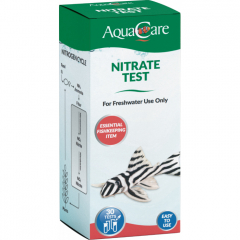
Download the free Fishkeeper app and start monitoring your aquarium
Give the filter a health check, not a deep clean

Autumn is a good opportunity to inspect filtration but resist the temptation to sterilise everything.
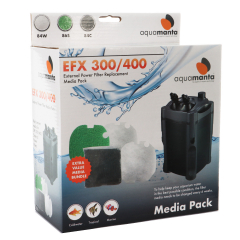
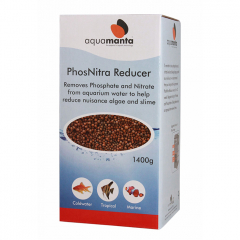
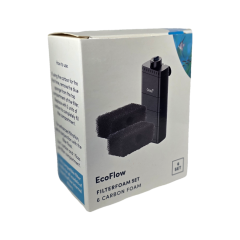
Check the flow and clean the impeller and intake, if necessary, and look for mechanical media that has become clogged. Mature biological media should normally only be gently rinsed in water removed from the aquarium when it needs cleaning. Don't wash established biological media under chlorinated tap water or replace all of it at once.
If your existing filter is no longer coping with the aquarium, perhaps because the fish have grown or stocking has changed, this is also a good time to consider upgrading. If fitting a conventional new biological filter, run it alongside the established filter while it matures rather than simply removing the old one.











Don't automatically feed less because it's autumn

This is an important distinction between an indoor tropical aquarium and a pond.
Pond fish experience falling water temperatures and their feeding regime changes accordingly. A correctly heated tropical aquarium should remain within the appropriate temperature range for its inhabitants throughout autumn and winter. There is therefore no reason to cut food simply because it is October.
Instead, look at the fish and assess whether they are in good condition. Is all the food being eaten? Are bottom dwellers getting their share? Are herbivorous species receiving an appropriate diet?
Feeding is also one of the main sources of waste entering an aquarium. Offer an appropriate, good-quality diet in controlled portions and avoid allowing uneaten food to accumulate. Different species have different nutritional and feeding requirements, so autumn is a good excuse to review what is actually in the food cupboard rather than reaching automatically for the same tub.
Refresh the tank without upsetting it

If you've spent more time outdoors over summer, the aquarium may be ready for some attention.
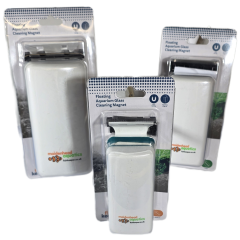
Clean the glass, remove accumulated debris from accessible areas of substrate and carry out your normal partial water change. Prune dead or damaged plant growth and remove deteriorating leaves before they break down.
What we wouldn't recommend is doing everything at once. A mature aquarium benefits enormously from biological stability. There is rarely a good reason to completely strip an established tank, wash all the substrate, replace all the filter media and carry out a huge water change together.
Think maintenance, not spring cleaning.





A good time to rethink planting

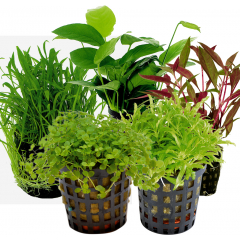
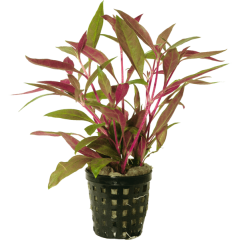
Autumn is a lovely time to refresh a planted aquarium and many of our stores have some great deals on aquarium plants.
Remove plants that are struggling and consider whether their position, lighting and nutrition are actually suitable. Fast-growing stems can be cut back and replanted, while tired foreground areas can be refreshed.
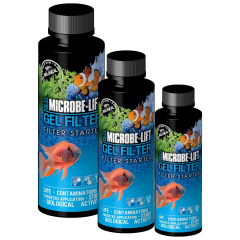
If plant growth has deteriorated, don't automatically reach for fertiliser. Check the basics first: lighting duration and intensity, nutrient availability, water chemistry and, for demanding planted systems, CO₂ provision.
With less natural daylight entering the room, artificial aquarium lighting also becomes more noticeable. A timer provides a consistent photoperiod and prevents the lights from gradually being left on longer as the evenings become darker.



Thinking of adding new fish?

Autumn can be a tempting time to add something new, particularly when you're spending more time looking at the aquarium again, but start with the fish you already own.
Check their adult sizes, behaviour and social requirements, then assess how much capacity the aquarium genuinely has. Test the water before buying anything and research the new species' water chemistry, temperature, diet, eventual size and compatibility.
Never buy a fish without knowing its adult size and planning accordingly.
When new fish arrive, introduce them carefully and monitor the aquarium afterwards. Additional fish mean additional biological load, so keep an eye on ammonia and nitrite after stocking changes. Quarantine new livestock where practical, particularly when adding fish to valuable or long-established collections.
Use aquarium season to fix the little things
Not every autumn job needs to involve a major purchase. Often the most useful investments are the things that make an established aquarium easier to manage properly.
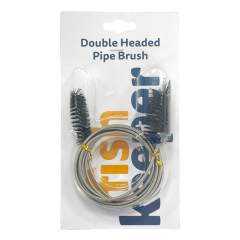
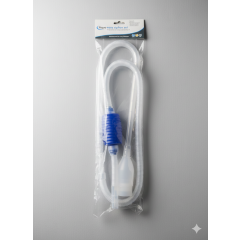
A reliable thermometer, accurate water test kit, replacement maintenance tools, better gravel cleaner, lighting timer, or improved filtration can have far more value than another decorative accessory. Likewise, replacing worn equipment before it fails is generally preferable to discovering a problem when the shops are closed.
Above all, spend some time watching your aquarium.
Look at every fish and check body condition, fins, breathing, swimming and feeding behaviour. Make sure shy species are appearing, and that dominant fish aren't preventing others from feeding. Listen to pumps and filters and get familiar with what the aquarium looks and sounds like when everything is working properly.
That habit remains one of the most useful pieces of fishkeeping equipment you'll ever have.
Aquarium season isn't about completely changing a successful tank. It's about taking another look at it, dealing with the jobs that have crept up over summer and making sure your fish head into the colder months in stable, healthy conditions.


