
What's in store - April 2026
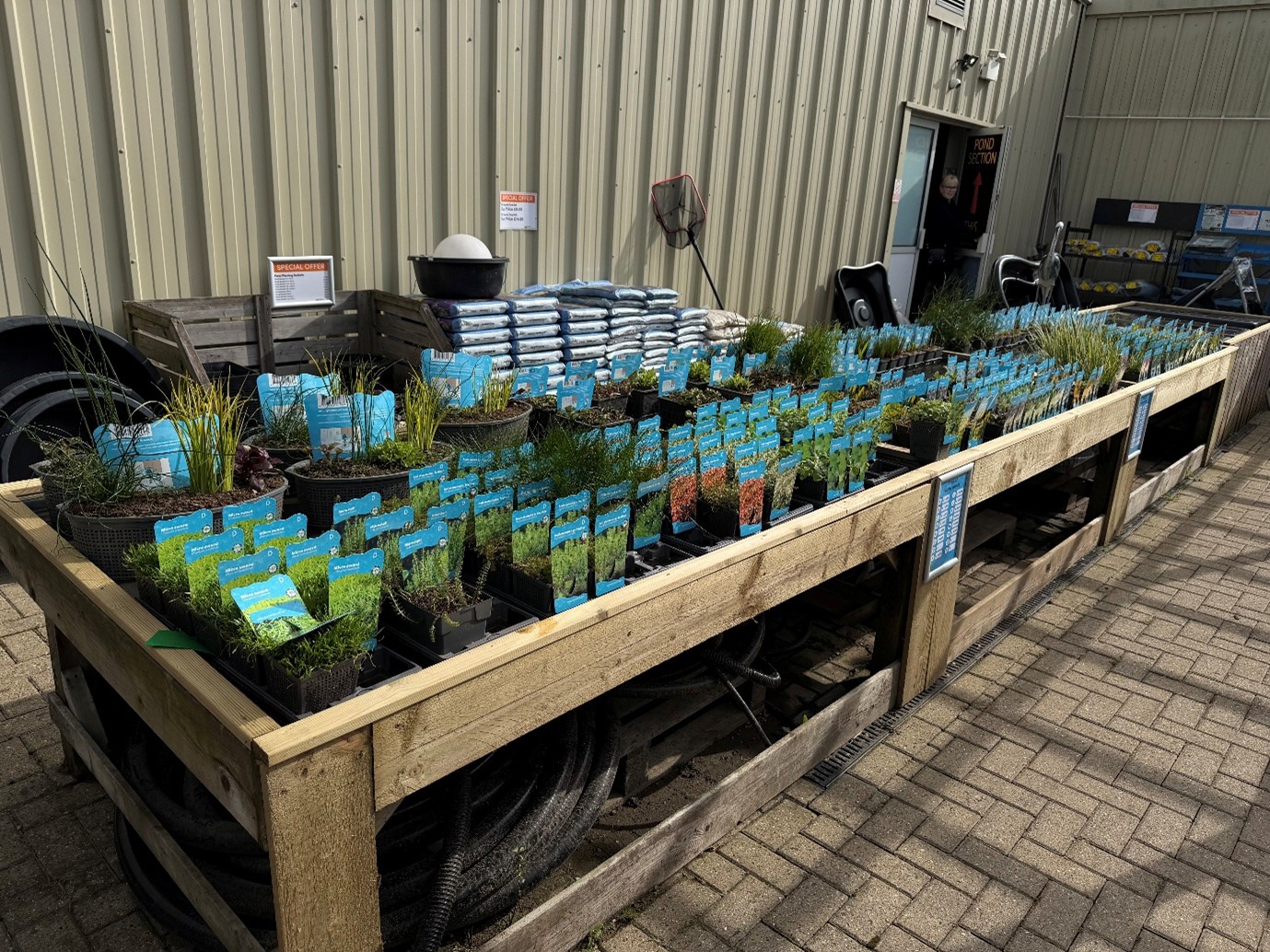
Spring is upon us and green shoots are everywhere, including out in our pond sections where the new season’s pond plants are putting on growth. As usual it’s the hardy types and the early-flowering ones that start things off, with Water lilies and many of the later season bloomers needing a bit more warmth before they take off. Once they develop floating leaves, planting a water lily becomes more complicated, so this is actually a great time to add one and let it grow from the depths without any faffing about.
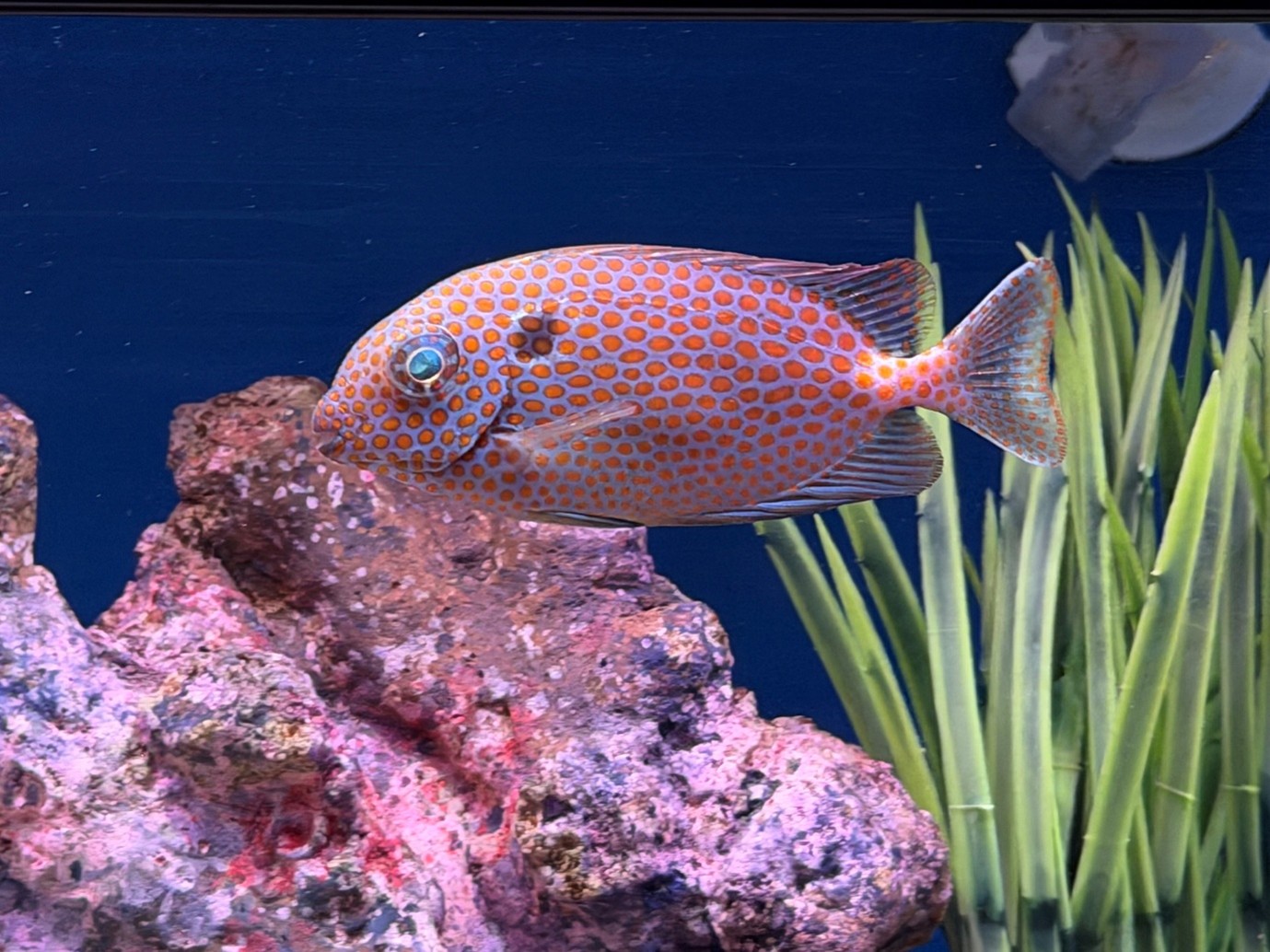
Two things you should know about Rabbitfishes like this Orangespot rabbit (Siganus punctatus): 1) they’re great algae eaters and 2) they have defensive dorsal spines which are venomous. Treated with care and respect, most people learn the first one without ever experiencing the second. Hardier and more peaceful than Tangs, rabbitfish are large and require a spacious aquarium. Although they’re mostly herbivorous algae grazers, the odd specimen has been known to nibble fleshy LPS corals and caution should be advised if adding them to a reef set up with limited grazing. The dorsal spines are most likely to become hazardous when catching or moving these fish, but you’ll notice that alarmed individuals raise them and direct them towards perceived threats when agitated. This one was at our Bristol store.
https://www.fishkeeper.co.uk/fish/marine/miscellaneous-fish/orangespotrabbitfish
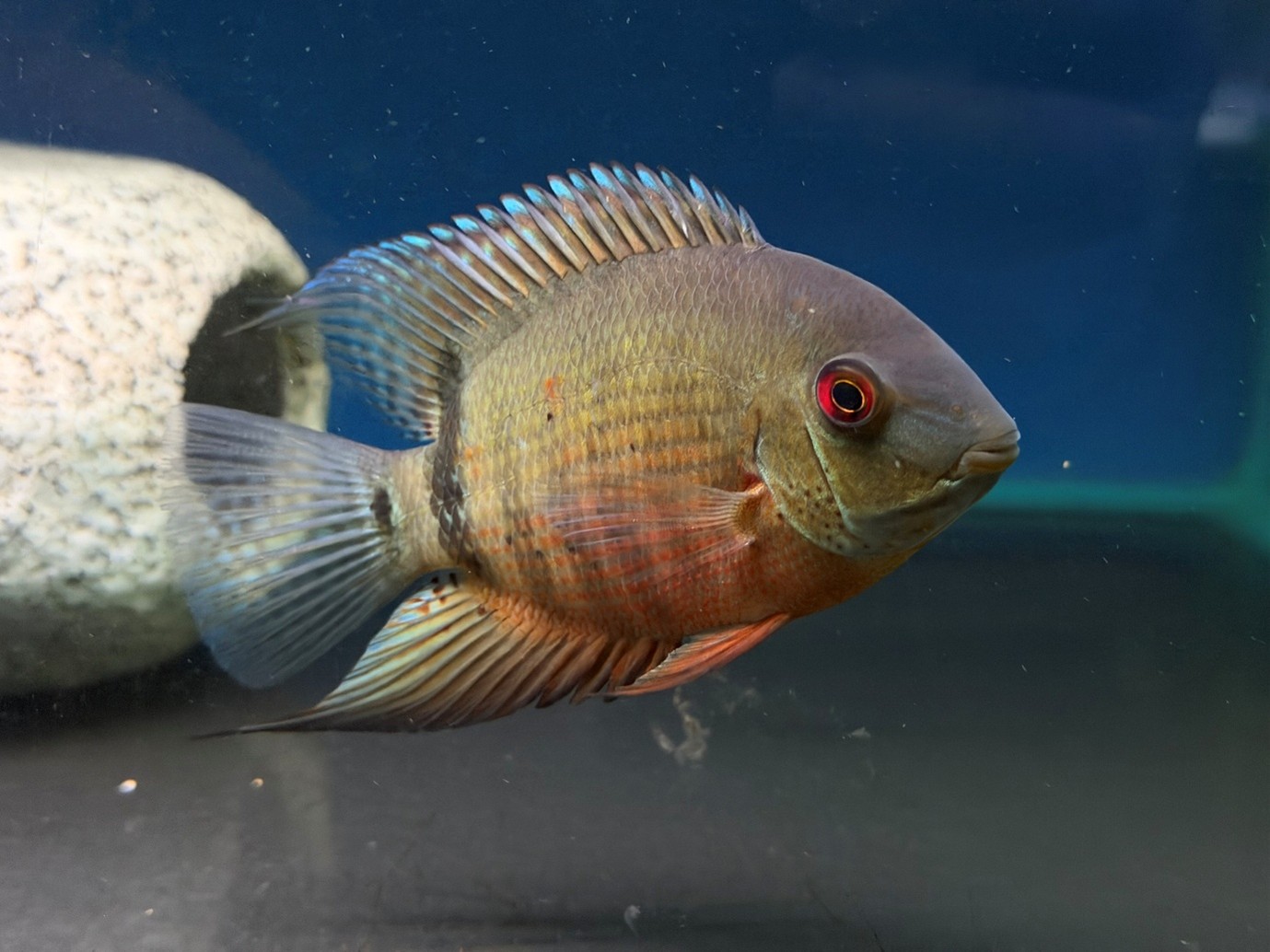
Severums have been popular pets for large fish communities for years and have much to recommend them. Placid and not especially predatory, these big cichlids have similar social dynamics to other laterally compressed Amazonian fishes like Discus and Angels and are very social when not trying to raise a family. The Mouthbrooding severum (Heros liberifer) is starting to get a bit more mainstream but is still something of a rarity. As its name implies, this species is unique among its kind for the fact that parents take the newly hatched young into their mouths for safekeeping. This fish matures slowly but males show a lot of red and a pattern of spots – it’s a good job they’re mouthbrooders as the name Red-spotted severum was already taken by a very different looking fish. This batch were at our Cardiff branch.
https://www.fishkeeper.co.uk/fish/freshwater/cichlids/south-american-cichlids/mouthbrooding-severum
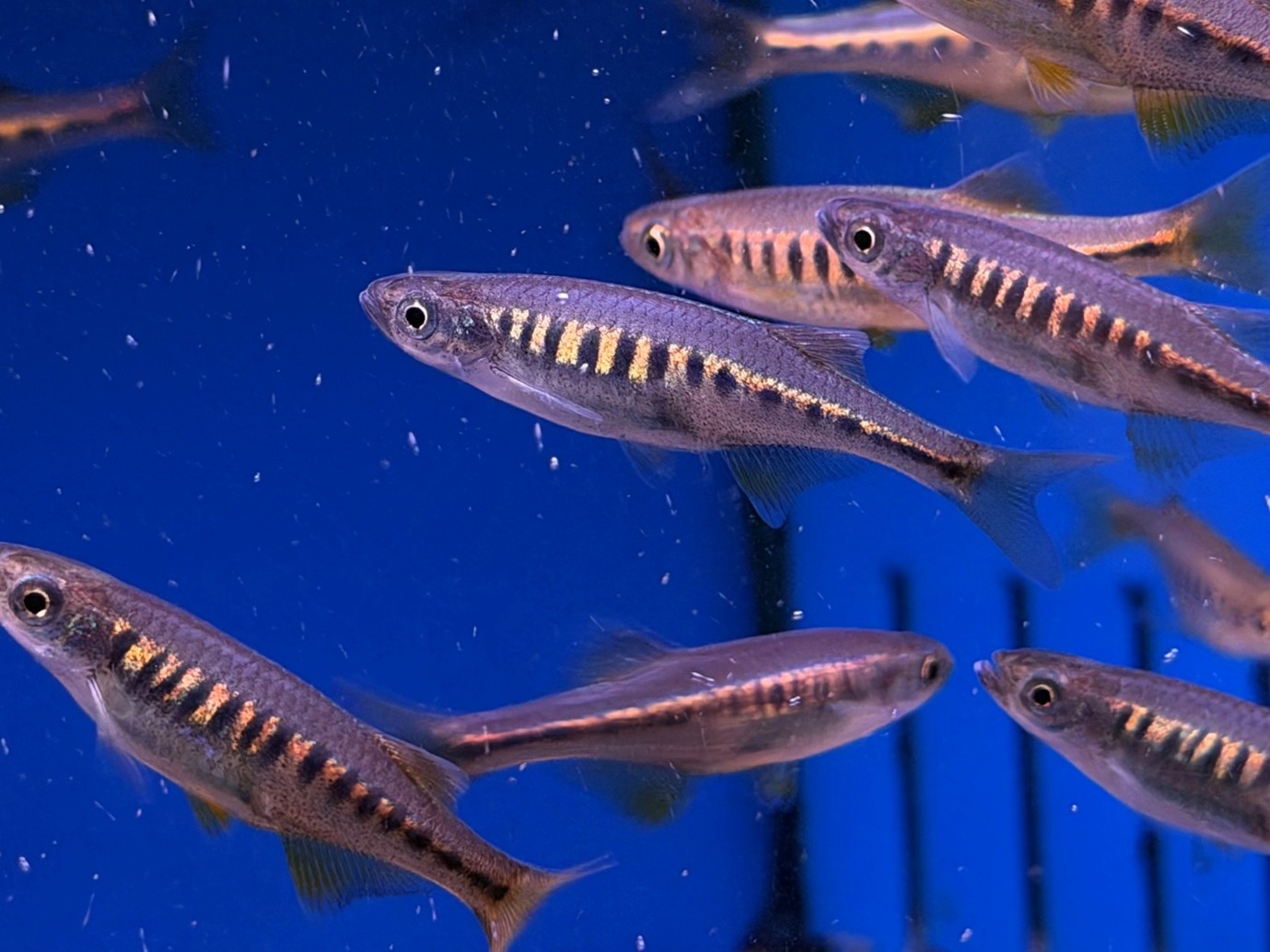
Lake Inle is home to a number of species which have become popular since their discovery. Temperatures vary but the water is hard and alkaline, making the Lake Inle Danio (Inlecypris auropurpureus) a great choice for a spacious unheated aquarium. Related to the Giant danios, these active midwater shoaling fish appreciate dense areas of planting in which they’ll happily spawn. These were a highlight of a recent trip to Scotsdale.
https://www.fishkeeper.co.uk/fish/freshwater/cyprinids/danios-minnows/lake-inle-danio
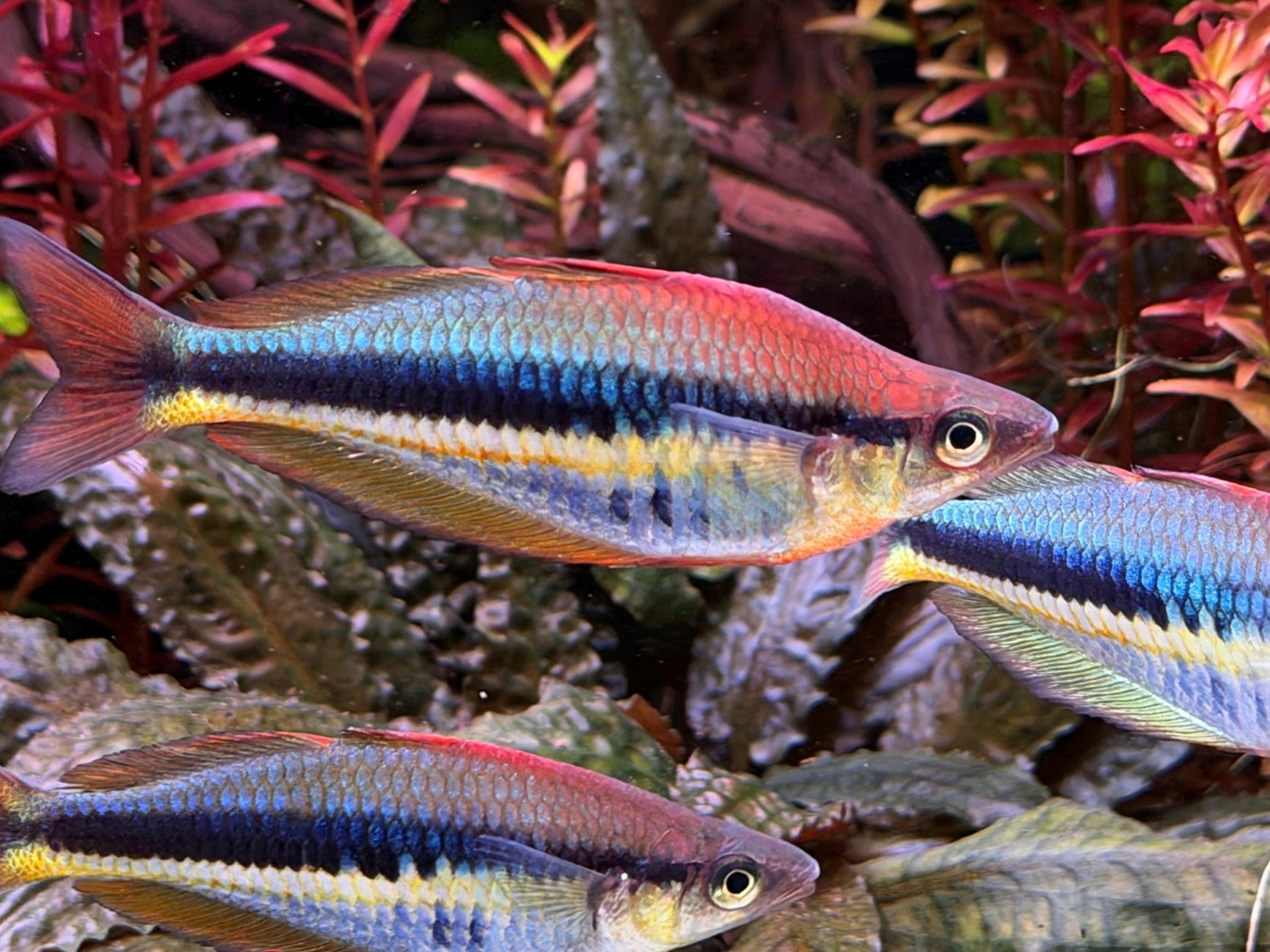
It’s true to say that many species of tropical fish can look a bit bland in a stock tank. Amongst the most frequently overlooked are the Rainbowfishes, which often look magnificent in our systems when the lights first go on in the morning and there’s only the staff around to appreciate their splendour. Placed in a planted display tank, or a home aquarium, they reveal their true colours. These Red Wapoga rainbows (Chilatherina alleni ‘Wapoga red’) were looking stunning in a gorgeous, planted display at our Farnham store recently. They’d coloured down a little after the morning’s excitement but all it takes is a single male to display and off they all go again. When seen in these conditions, it’s hard to believe that they’re the same species as the youngsters in the stock tanks.
https://www.fishkeeper.co.uk/fish/freshwater/rainbow-fish/allen-s-rainbowfish


