
Spring clean your aquarium
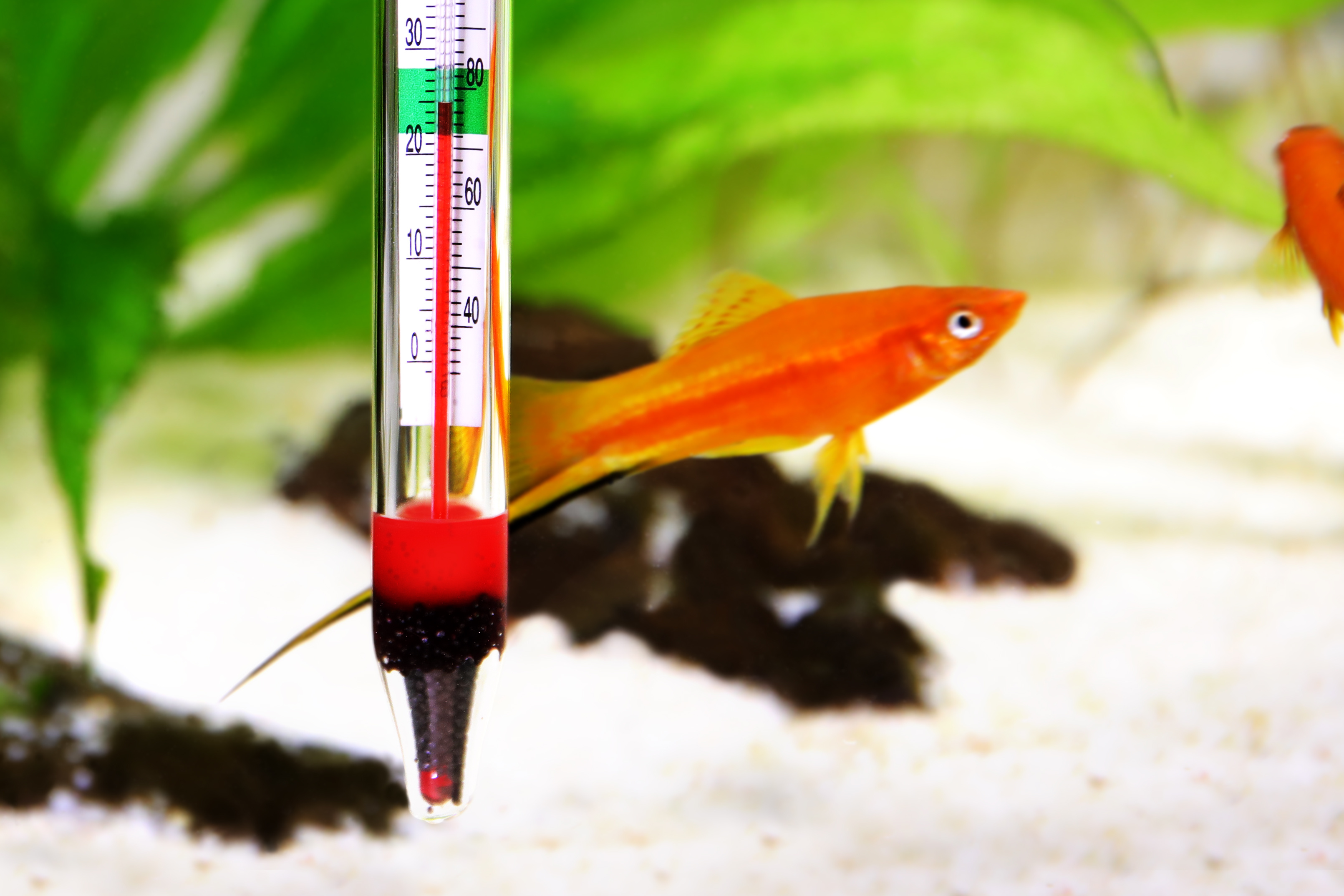
Spring is a great time to review your aquarium maintenance routine and carry out a more thorough clean. Increasing daylight and rising room temperatures often lead to increased fish activity and faster plant growth, which can place greater demand on filtration and water quality. Although not as seasonal as a garden pond, the obvious switch-up taking place all around serves as a great motivator for reviewing schedules and making improvements.
A careful spring maintenance session helps restore flow rates, remove accumulated waste and ensure equipment is running efficiently before the warmer months.
Review water quality first
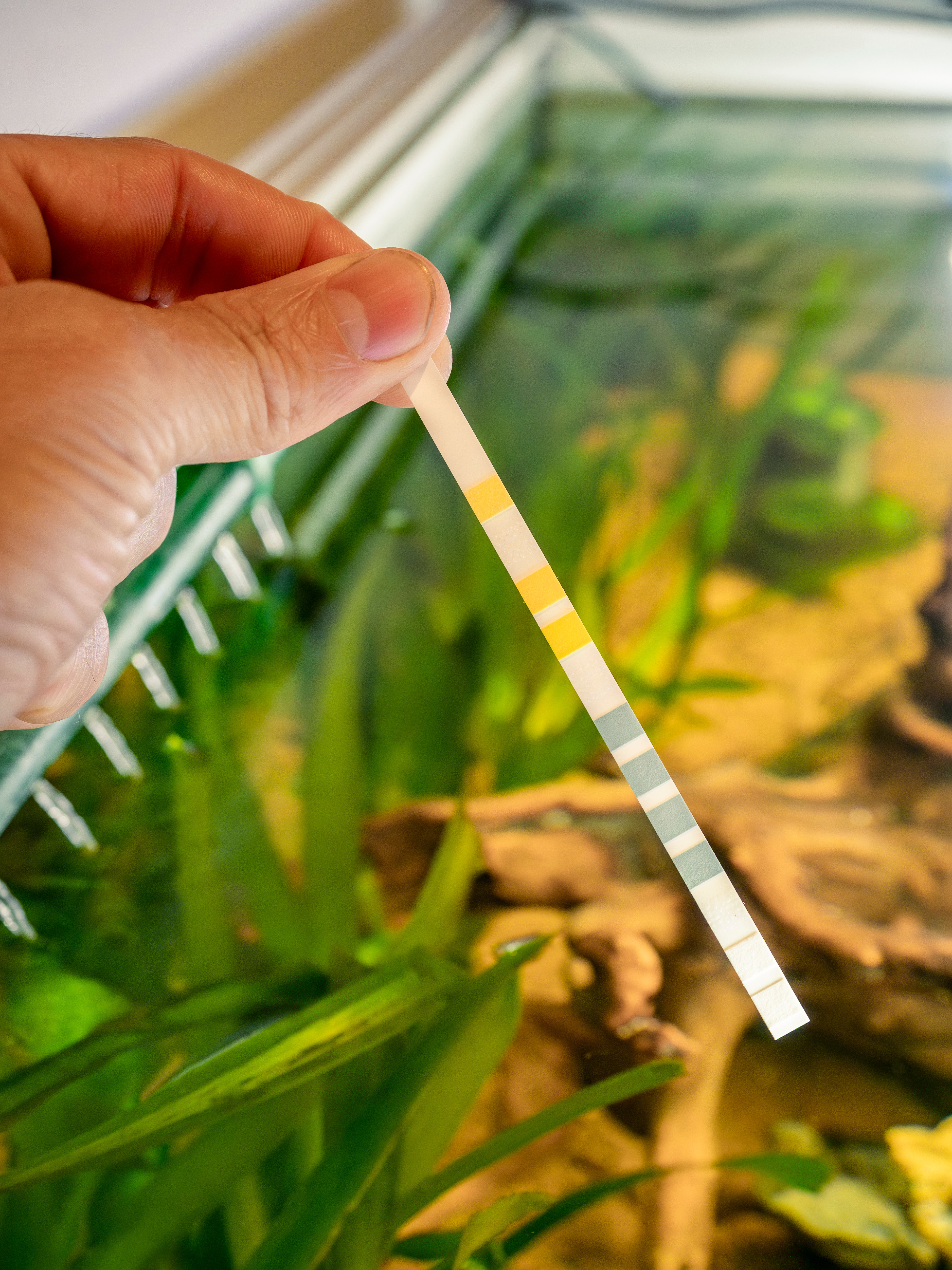
Before starting any maintenance, test your aquarium water to establish a clear baseline. Even well-maintained tanks can develop gradual changes in water chemistry over time, such as rising nitrate levels, depleted KH or small shifts in pH. Recording these results regularly makes it much easier to spot trends and address potential problems early. The Fishkeeper App is a useful tool for this, allowing you to log your test results, track water parameters over time and keep a simple record of your aquarium maintenance routine.
- Key parameters to check
- Ammonia
- Nitrite
- Nitrate
- pH
- KH
Established aquariums should show zero ammonia and nitrite. If nitrate levels begin to rise, increasing the frequency or volume of water changes can help restore balance. Depending on source water values, a water change may be enough to boost KH back to desired values. If not, buffers can be used.
Suggested products
- Liquid water test kits
- Water conditioners
- Biological filter supplements
- KH buffer
Perform a deeper substrate clean
Detritus gradually accumulates in substrates, particularly in heavily stocked tanks, shrimp tanks or aquariums with dense planting.
Use a gravel cleaner or siphon to remove organic waste while performing a 20–30 percent water change. For planted aquariums, focus on open areas and avoid disturbing plant root systems unnecessarily.

Tips for experienced keepers
- Clean different sections of the substrate over successive maintenance sessions
- Avoid removing too much of the beneficial microbes at once
- Match replacement water temperature to avoid fish stress
Suggested products:
- Water siphons
- Water change systems
- Water conditioners
Restore filter performance
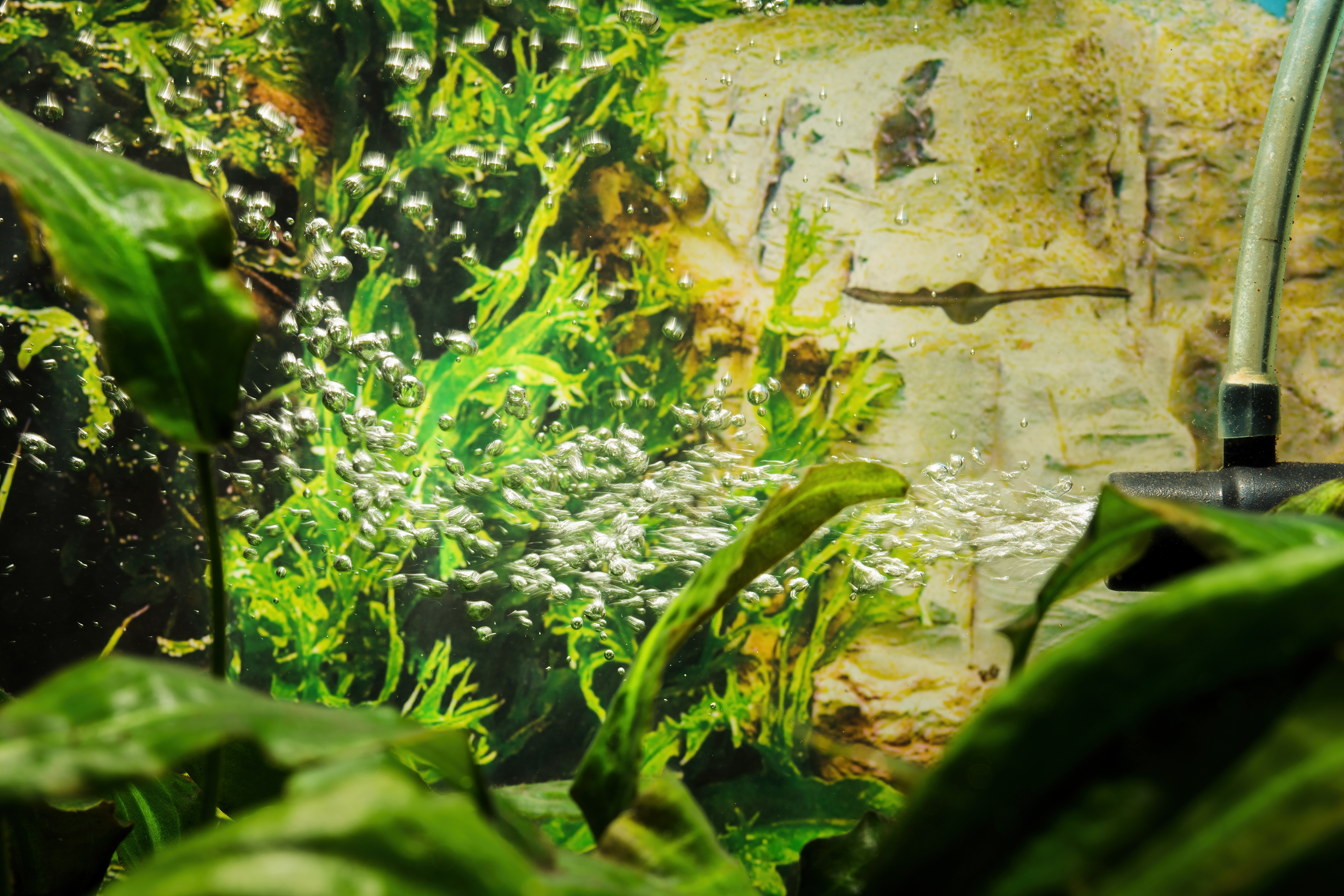
Filter flow rates can gradually decline as mechanical media becomes clogged with debris. Spring is a good time to service your filtration system.
Maintenance steps
- Rinse the mechanical media in aquarium water removed during the water change
- Inspect biological media for clogging
- Check impellers and intake pipes for debris buildup
Avoid replacing biological media unless it is physically deteriorating, as it contains the beneficial bacteria that maintain the nitrogen cycle.
Suggested products:
- Replacement filter sponge
- Biological media
- Pipe cleaning brushes
Manage algae and plant growth
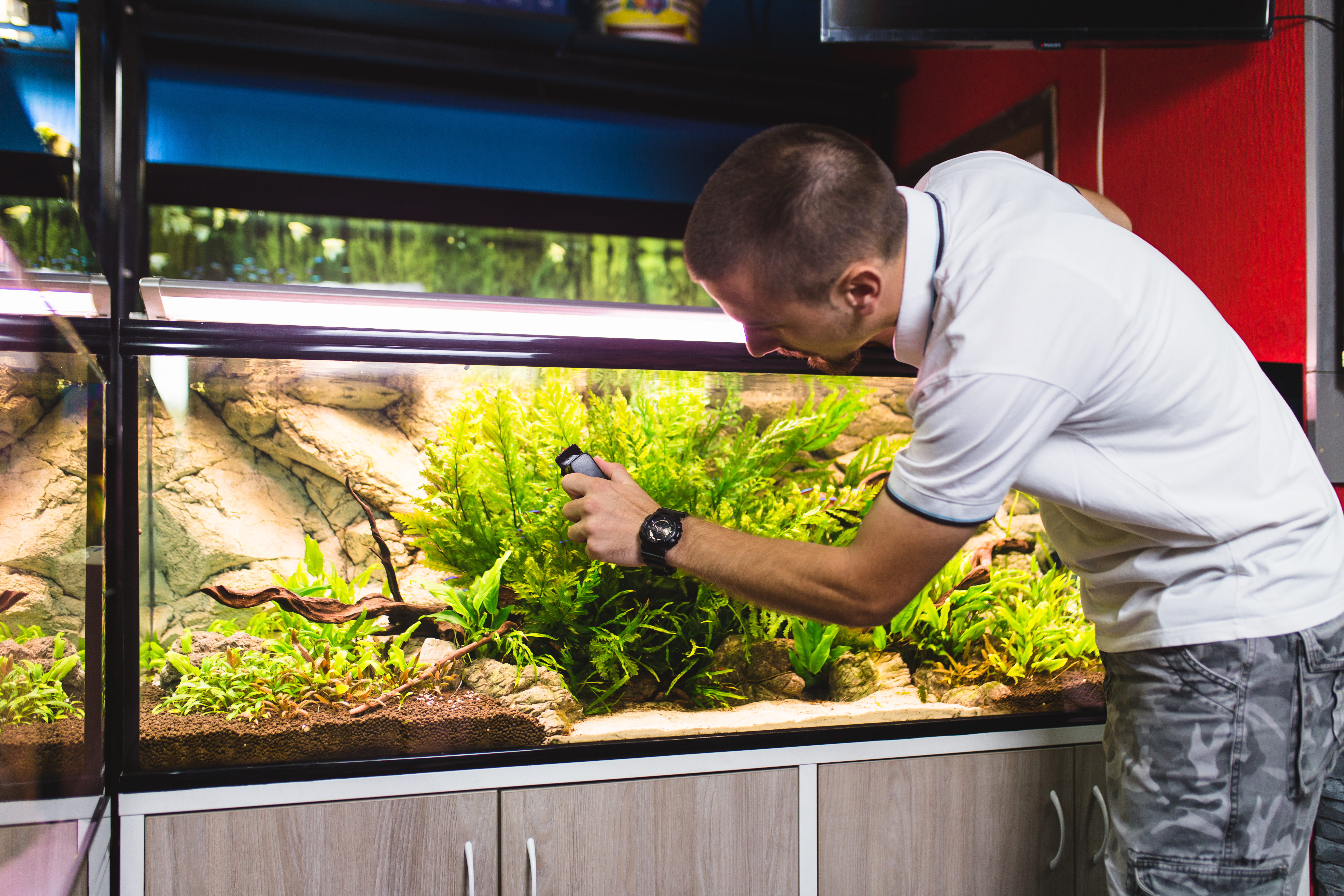
As background light levels increase in spring, algae growth can accelerate. Regular removal prevents it from becoming established.
Maintenance tasks
- Clean viewing panes with an algae scraper or magnetic cleaner
- Remove excess algae from decorations and hardscape
- Trim fast-growing plants to maintain circulation and light penetration
- Make sure plants are kept well-fertilised to outcompete algae growth
In planted aquariums, this is a good opportunity to review fertilisation and lighting schedules.
Suggested products
- Magnetic algae cleaner
- Aquascaping scissors and tools
- Plant fertilisers
Check equipment efficiency
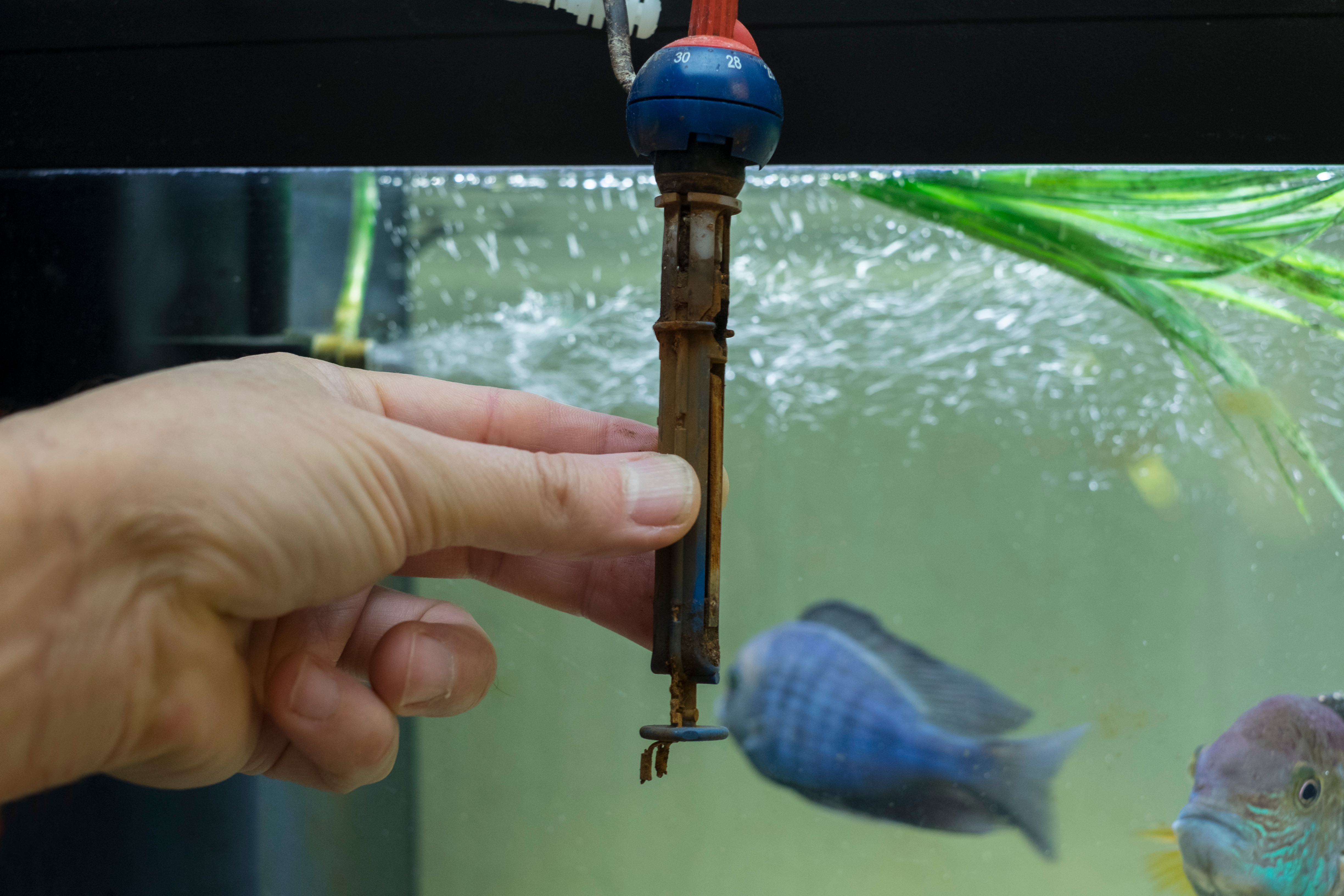
A full equipment check ensures the system is ready for the months ahead.
Inspect:
- Filter flow and noise levels
- Heater accuracy and stability
- Air pumps and diffusers
- Lighting units and timers
Reduced filter flow, fluctuating temperatures or ageing lighting can all affect aquarium stability and plant health.
Suggested products:
- Replacement heaters
- Air pumps and air stones
- LED aquarium lighting
Adjust feeding as activity increases
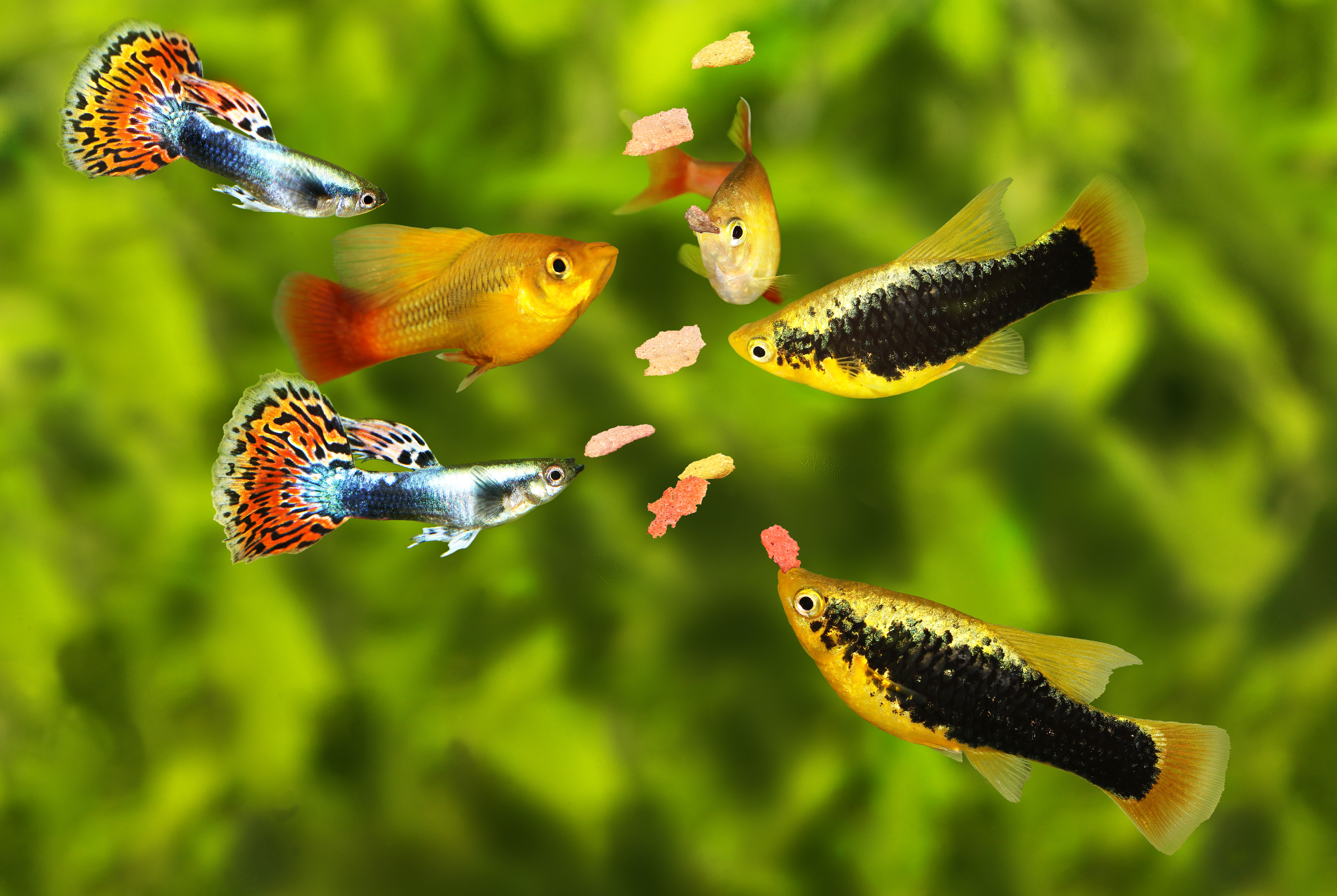
Fish metabolism tends to increase slightly as temperatures rise and daylight hours lengthen.
Feeding considerations:
- Maintain controlled feeding to prevent waste buildup
- Use high-quality foods suited to your species
- Remove uneaten food promptly
For mixed community aquariums, offering a varied diet can help maintain condition and colouration.
Suggested products
- Tropical flakes or pellets
- Sinking foods for bottom feeders
- Specialist diets for particular species
Establish a spring maintenance routine
Once the initial clean is complete, maintaining stability is the priority.
Recommended routine
Weekly
- Water test
- Partial water change
- Glass cleaning
Monthly
- Filter inspection
- Equipment checks
A consistent schedule prevents gradual deterioration in water quality and keeps the aquarium running efficiently.
For advice on equipment upgrades, filtration options or specialist fish foods, speak to the team at your local store or browse the full range of aquarium products online.


