
Maintaining good water quality - the key to happy, healthy fish
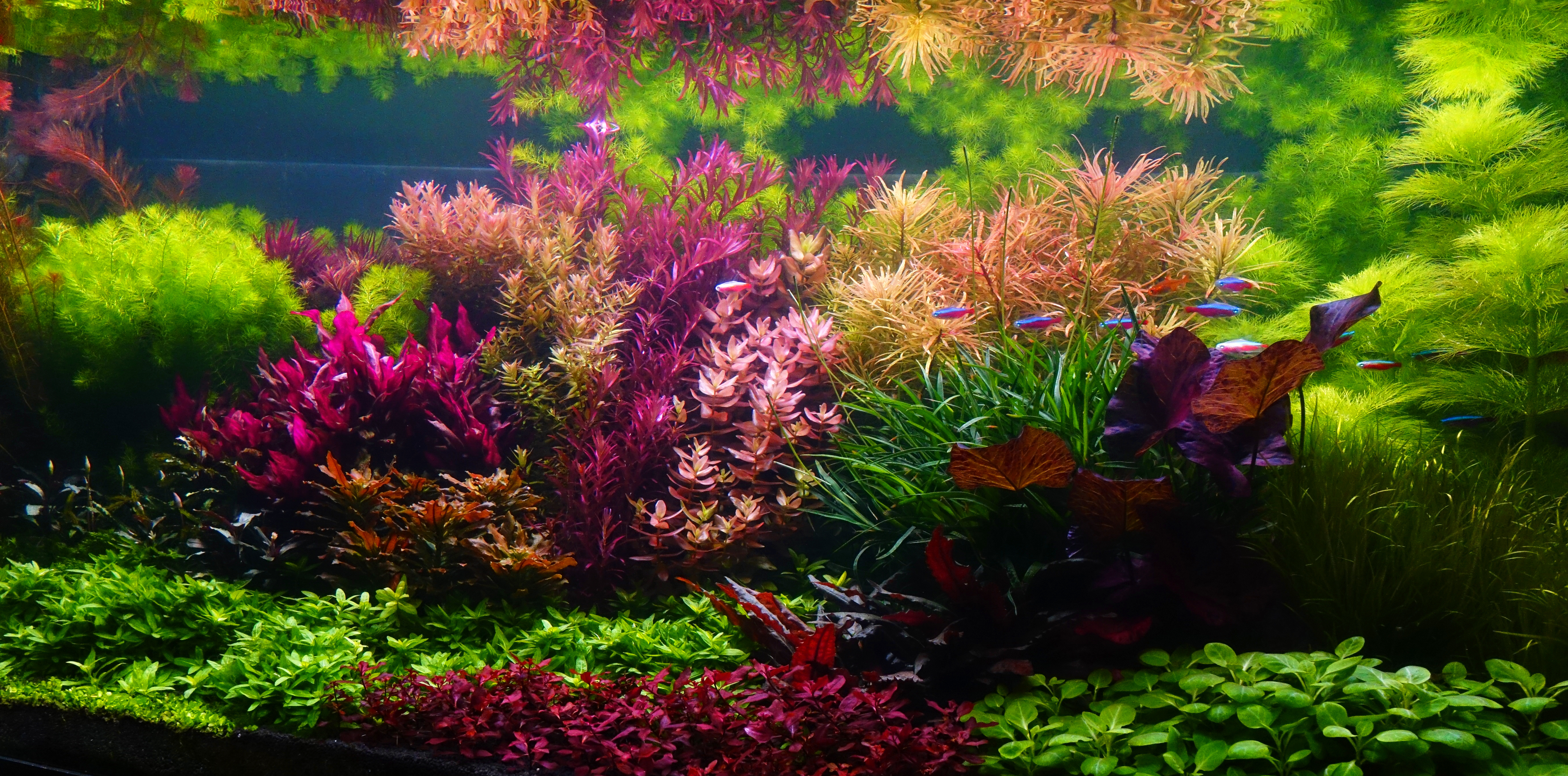
Water quality sits at the centre of successful fishkeeping. It influences growth, colour, behaviour, disease resistance, and lifespan. Most problems blamed on disease or bad luck can often be traced back to water quality issues.
Good water does not happen by chance. It comes from routine testing, informed decisions, and appropriate maintenance.
This short guide explains what matters most and what you should do to keep your fish healthy long-term.
Stability beats erratic perfection every time
Most fish cope far better with stable conditions than with constantly changing ones. A slightly imperfect pH that stays consistent causes far less stress than an elusive perfect number that fluctuates week to week.
Sudden changes can induce stress. Appetite drops. Immune response weakens. Disease becomes more likely.
Best practice actions:
- Keep water changes regular and timely.
- Avoid large, irregular corrections.
- Match temperature and basic chemistry during changes unless part of a strategic plan.
Healthy water with appropriate parameters gives your fish the chance to thrive instead of merely survive.
Water testing is how you stay in control
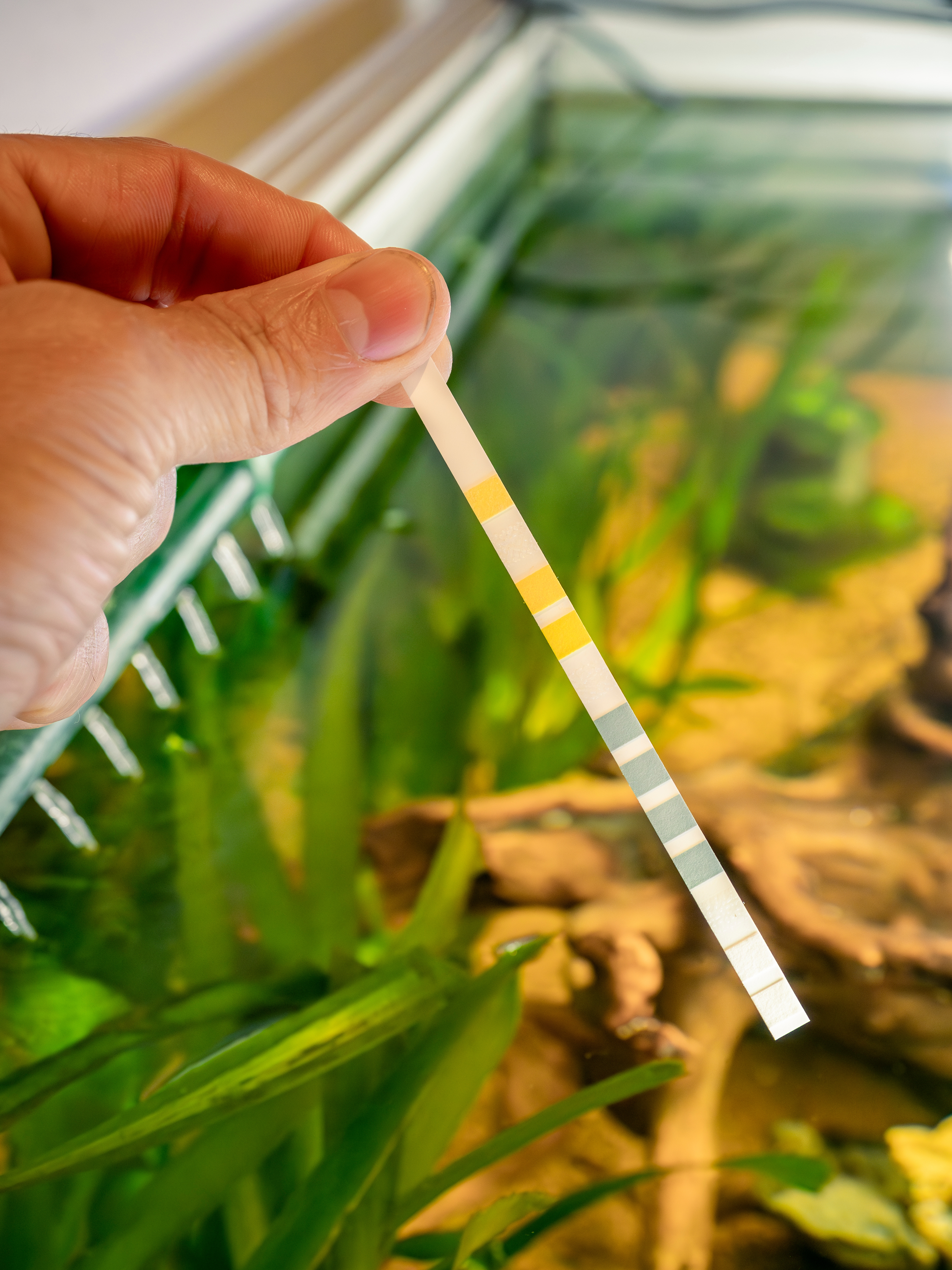
You cannot manage what you do not measure. Clear water tells you nothing about ammonia, nitrite, nitrate, KH or pH. Many tanks look fine right up to the point fish start dying.
Routine testing turns water quality into something you can actively manage instead of trying to guess.
Best practice actions:
- Test new and young setups regularly, and certainly before adding livestock.
- Test weekly in established aquariums with demanding inhabitants such as corals or sensitive blackwater trops.
- Test after adding fish or disturbing the filtration.
- Focus on trends, not single results. This may require taking notes.
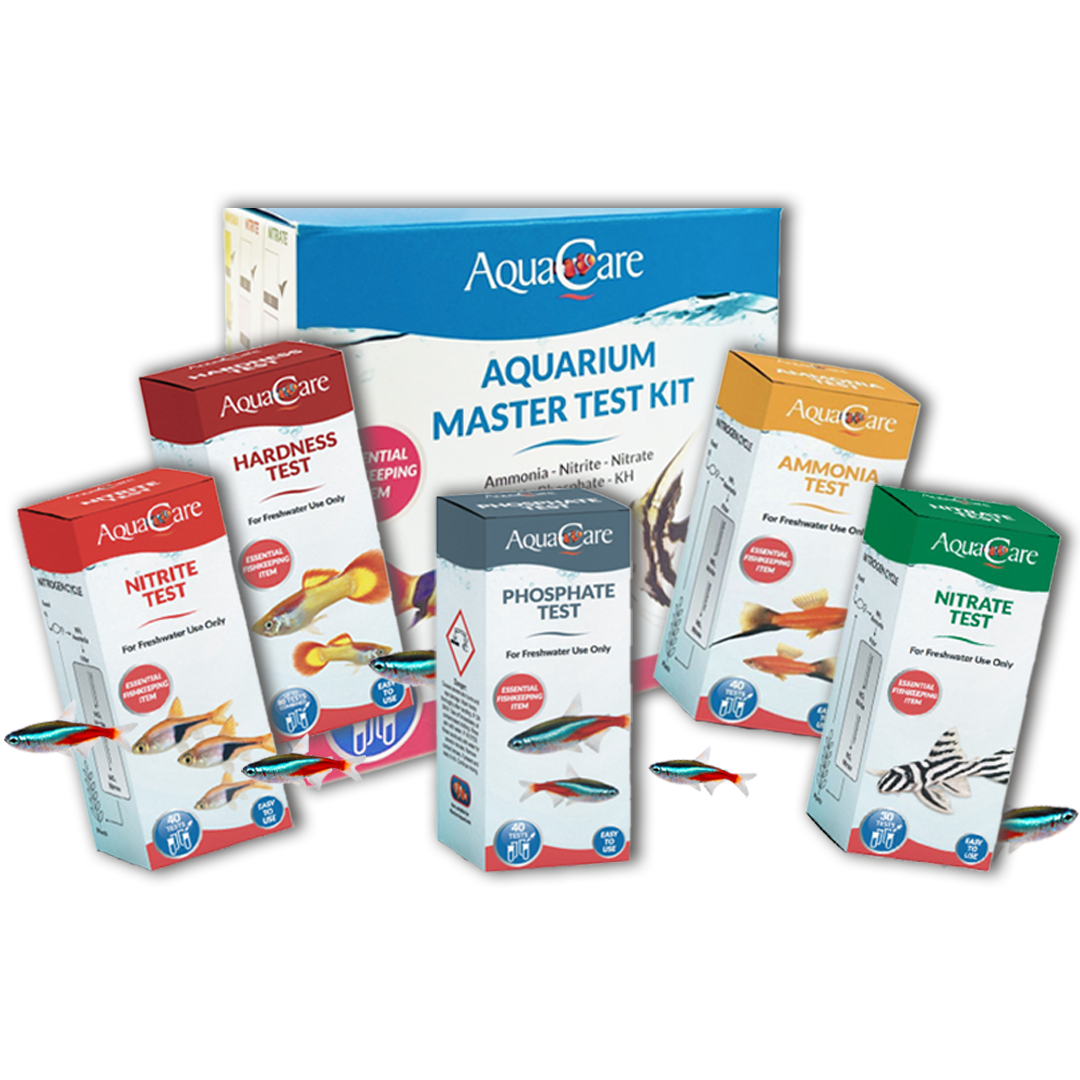
Using reliable, easy-to-use test kits matters. Poor quality tests lead to poor decisions. Investing in accurate tools like the AquaCare Master Test Kit gives you confidence in the numbers you are acting on. Targeted kits such as the AquaCare pH Test Kit, AquaCare Ammonia Test Kit, AquaCare Nitrate Test Kit, and AquaCare Phosphate Test Kit allow closer monitoring when specific issues arise. Whatever kit you use, remember that reagents expire and can give misleading readings.
Track results, or you miss the bigger picture
One test result is a snapshot. A series of results tells a story.
Many water quality problems develop slowly. Nitrate creeps up. pH drifts. Phosphates rise and algae follows. Without records, these changes feel sudden when they are not.
Best practice actions:
- Log every test result.
- Review how fast parameters change between water changes.
- Adjust maintenance based on trends.
Using the Fishkeeper app makes this simple. Logging results takes seconds and turns scattered numbers into clear patterns. You spot issues earlier and act before fish show stress.
Download our Fishkeeper App today!
Water changes control waste and stability
Waste enters the aquarium every day through feeding and fish metabolism. Beneficial bacteria process ammonia and nitrite, but nitrate, phosphate and dissolved organics keep building.
Water changes remove what filtration cannot.
Best practice actions:
- Perform smaller, frequent water changes.
- Monitor conditions and tailor your schedule to suit. Increase volume if nitrate rises quickly.
- Base your schedule on stocking and feeding levels. Growing fry will be feeding heavily and generating a lot of metabolic byproducts.
Consistent water changes prevent long-term stress and slow declines in fish health linked to the accumulation of pollutants.
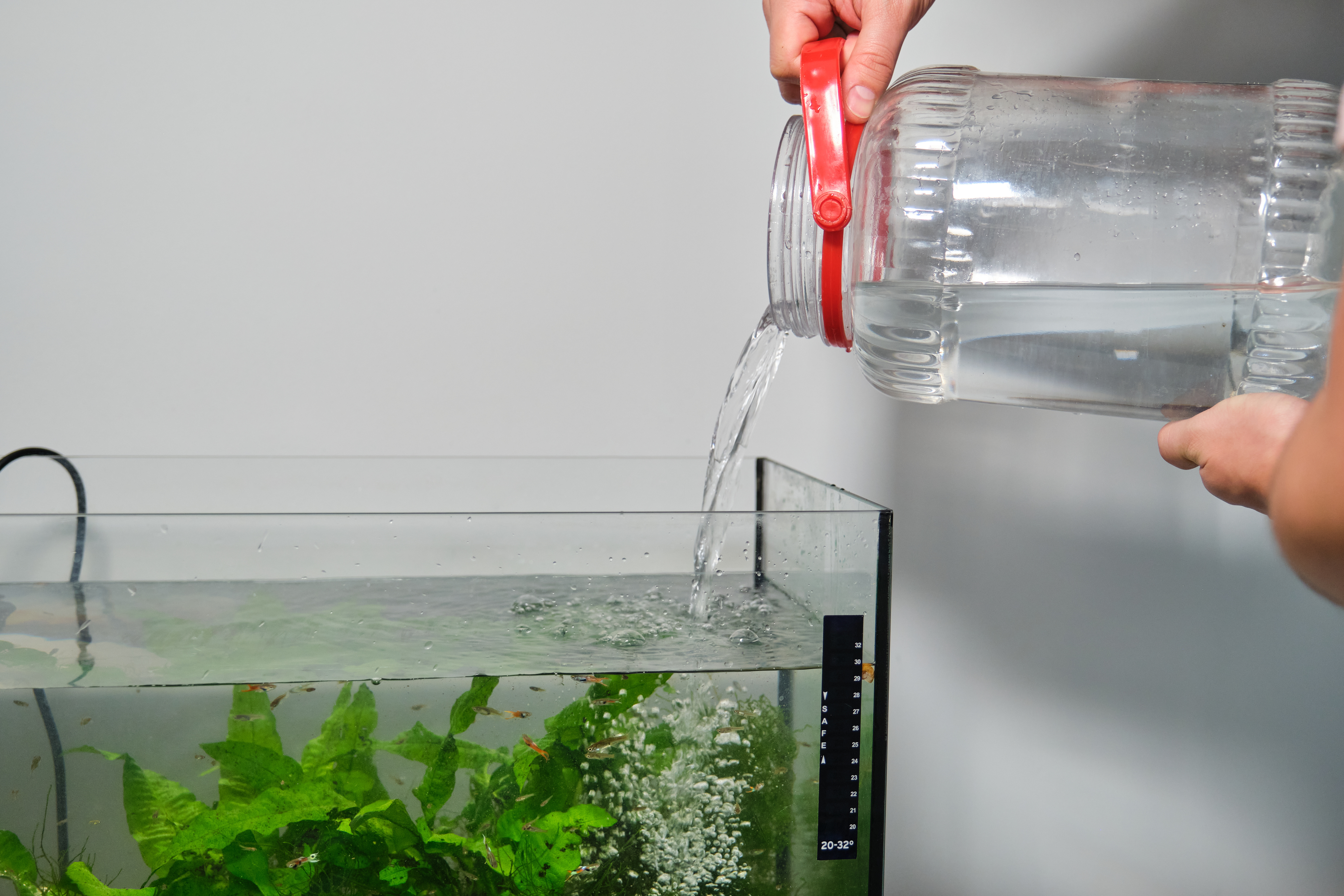
Watch how to complete a water change effectively.
Feeding choices directly affect water quality
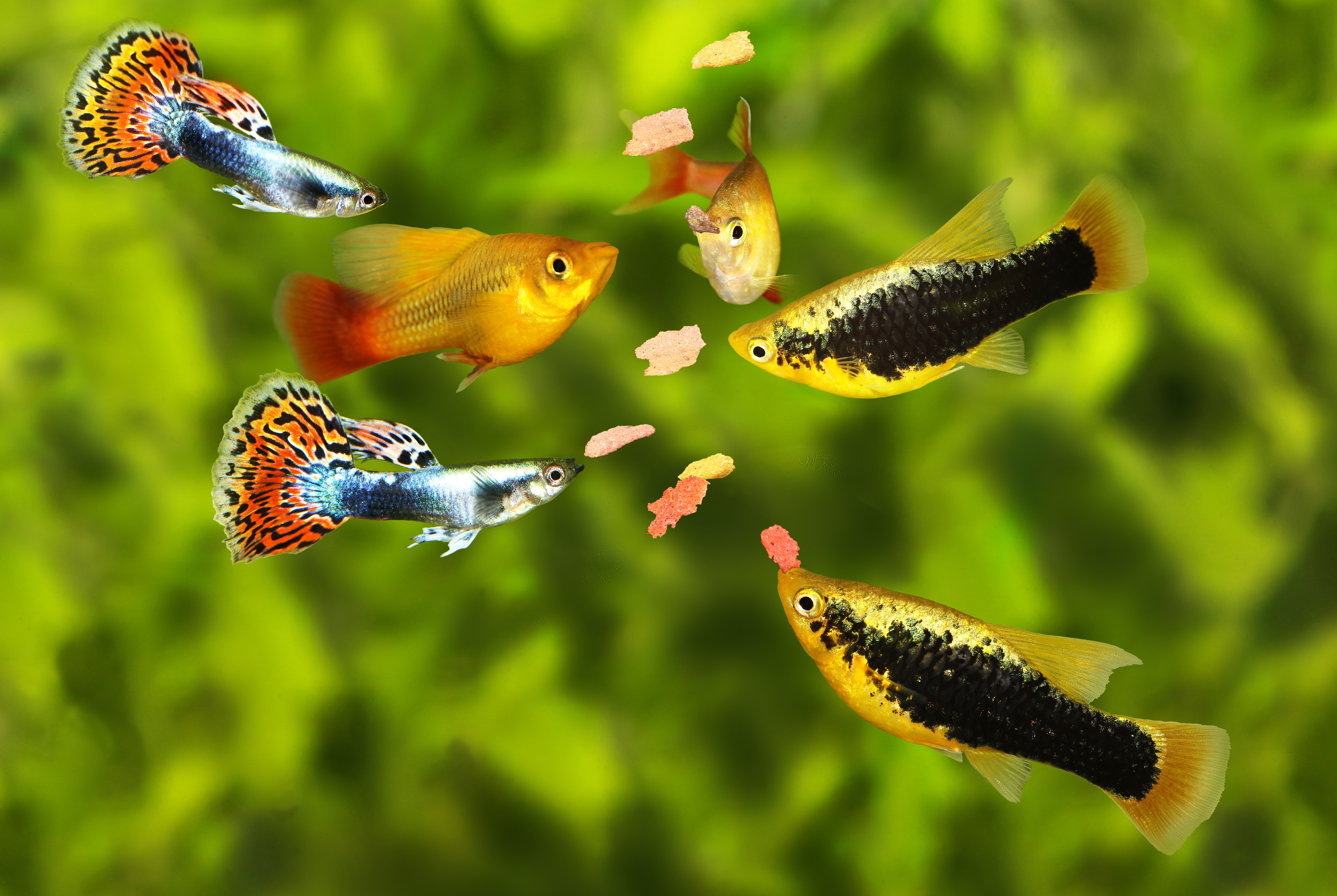
Overfeeding causes more water quality issues than any other mistake. Uneaten food breaks down rapidly and overloads biological filtration.
Most fish do not need constant food access, although some herbivores, particularly, may require an extended period of grazing. Controlled feeding improves digestion and water stability.
Best practice actions:
- Feed only what fish consume within one to two minutes. This can be repeated throughout the day to ensure good body condition. Little and often is usually the best way.
- Remove uneaten food immediately, unless targeting slow feeders or grazers.
- Don’t be afraid to skip feeding one day a week for many community fish. Opportunistic feeders might not eat every day in the wild, and obesity can affect fish as well as people. Specialists such as plankton feeders and herbivores are an exception.
Efficient feeding leads to cleaner water.
Click here to read about fish feeding guides
Filtration supports bacteria, not just clarity
Most filters exist to house beneficial bacteria. Mechanical clarity is secondary.
Overcleaning or replacing all media at once can strip bacteria and destabilise a heavily stocked tank. By contrast, healthy bacterial populations need surfaces free of detritus and biofloc to colonise and grow.
Best practice actions:
- Rinse filter media in tank water.
- Clean sections of media in rotation that coincide with water changes.
- Replace biological media only when it physically breaks down or clogs.
- Solid waste and detritus will clog media, push up organic waste levels and provide a home for disease-causing organisms.
Protecting bacteria protects your water quality.
Click here to watch a video on how to clean your Filter Media
Stocking levels decide long-term stability
Every fish adds waste. Overstocked tanks swing faster and recover more slowly.
Many fish are sold small but grow large. Ignoring adult size can lead to strain on filtration and constant water quality issues.
Best practice actions:
- Research adult size before buying.
- Stock conservatively.
- Add fish gradually, not all at once.
Lower stocking improves water stability and fish wellbeing.
Decor and substrate influence chemistry
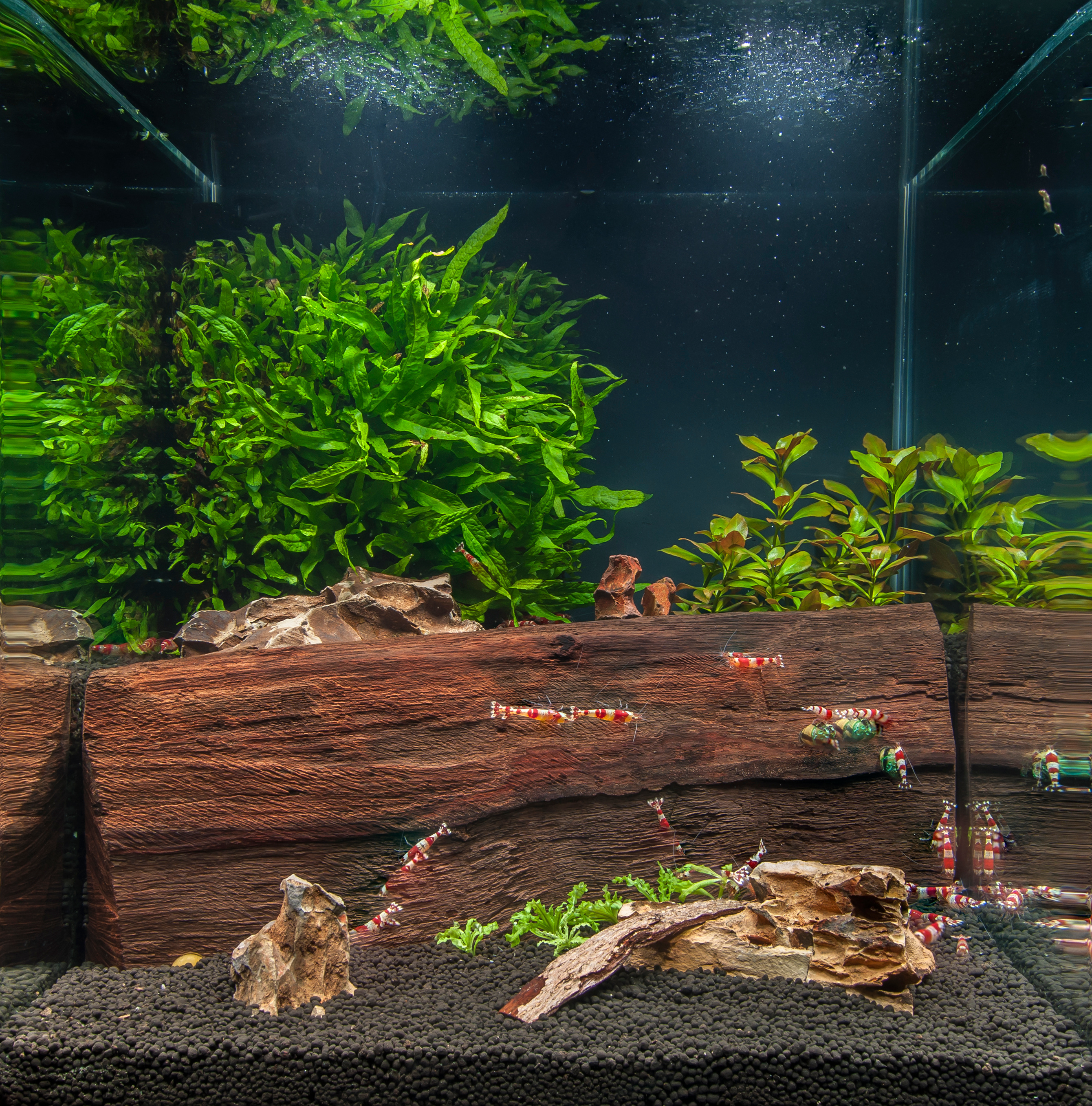
Rocks, wood, and substrates can raise or lower pH and hardness. These effects may be slow, but they are cumulative.
Best practice actions:
- Test the water after adding decor.
- Monitor pH and hardness closely after changes.
- Keep a KH (carbonate hardness) level which prevents pH crashes caused by the effects of botanicals or wood. This also applies to the use of CO2
- These properties can be advantageous, but avoid using materials that alter chemistry in ways that upset your chosen livestock.
Know what each addition does to your water.
Temperature stability supports chemistry
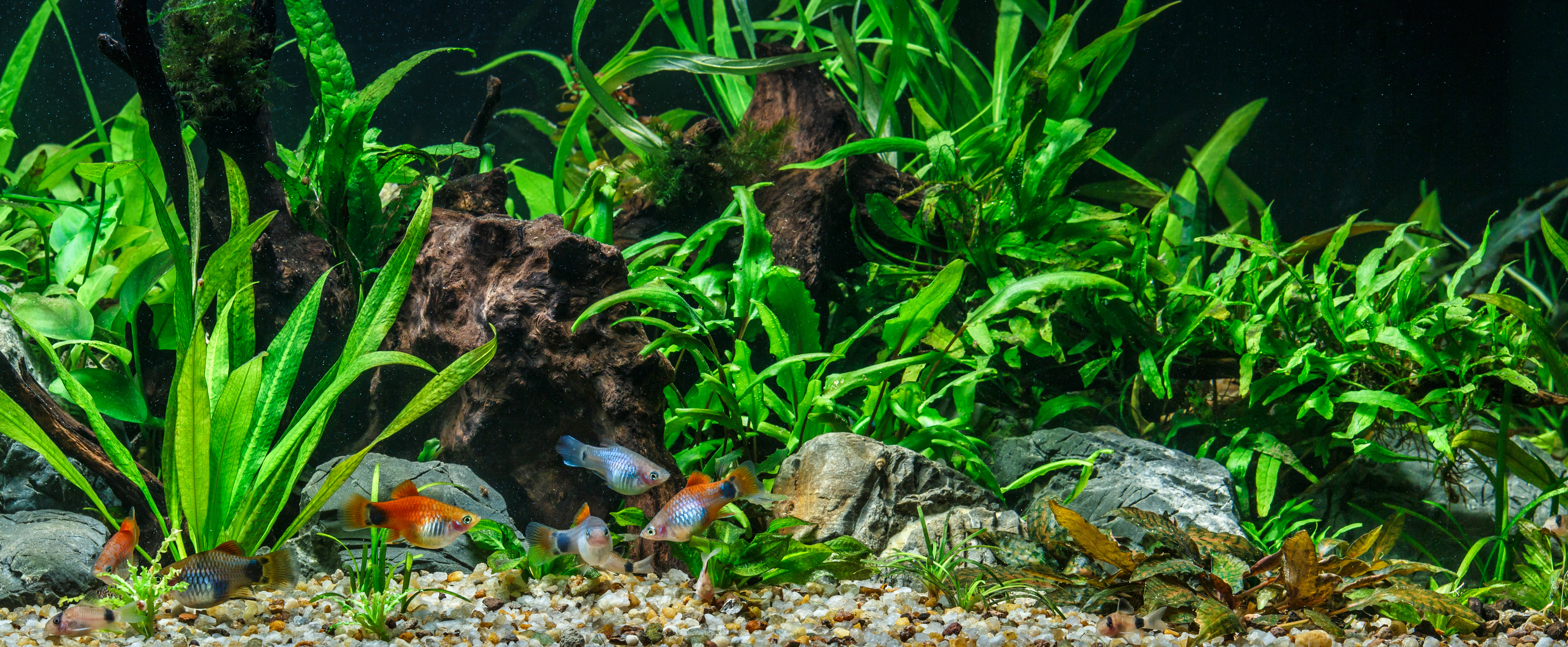
Temperature affects oxygen levels, fish metabolism, and bacterial efficiency. Sudden, drastic changes can stress fish and disrupt biological processes.
Best practice actions:
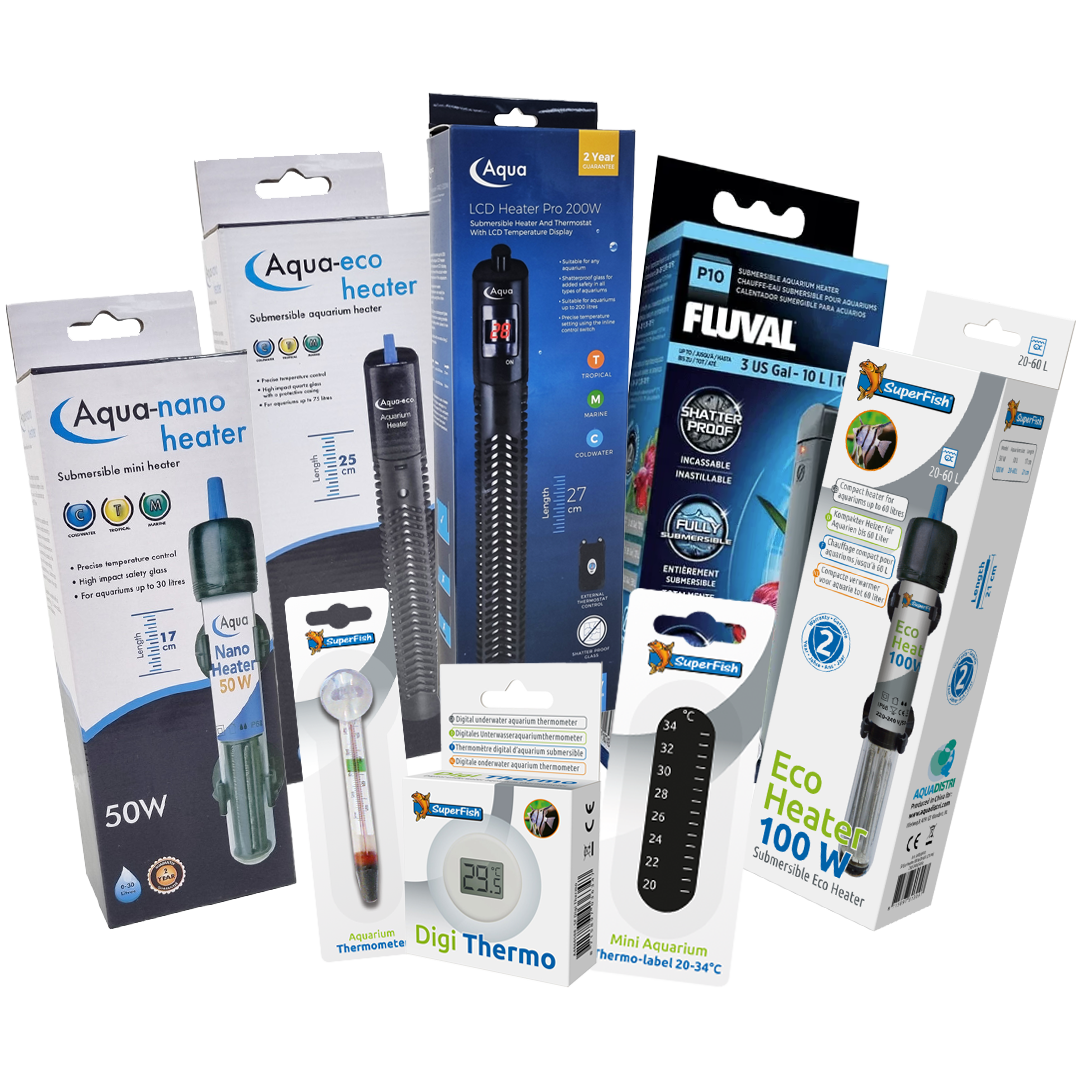
- Use a reliable heater and thermometer.
- Avoid dramatic fluctuations during water changes, unless part of a strategic plan.
- Monitor closely during seasonal changes to avoid problematic extremes.
Sensitivity or desirability of stable water temperatures can vary between species, with some requiring seasonal fluctuations to remain healthy, whilst others can be damaged by deviation from narrow norms. Research your chosen species to ensure the correct approach is taken and avoid mixing fishes with contrasting requirements.
Good water quality is built on habits
Like walking a dog, maintaining an aquarium is simplified by making it part of a regular routine. In the same way that you wouldn’t compensate for a few missed dog walks by running a marathon with your canine companion, a little time spent culturing a ‘little and often’ approach to aquarium care will keep your aquatic pets fit and healthy.
Healthy aquariums come from consistent testing, accurate tools, good records, and informed adjustments. Using dependable test kits from AquaCare alongside the Fishkeeper app gives you both accurate data and the context to use it properly.
When you understand your water and act early, fishkeeping becomes calmer, easier, and far more rewarding.


